Health News
How warm perfusion could change kidney transplants
Discover how keeping donor kidneys warm and supplied with blood during storage may help more people get life-saving transplants, reduce wasted organs, and improve patient outcomes.
Reviewed by Sofia Sigal-Passeck, Slothwise co-founder & National Science Foundation-backed researcher
If you needed a kidney transplant, you would want the best possible kidney, right? But did you know that every year, thousands of donated kidneys never make it to patients? Many are thrown away because doctors are not sure if they will work well enough. Scientists are now working on a way to change this, using something called normothermic machine perfusion (NMP). This new technology could help save more lives by making more kidneys usable for transplant.
Why do we need better kidney preservation?
Chronic kidney disease is a big health problem around the world. About 1 in 7 people in the United States have it, and nearly 808,000 are in the most serious stages. For these people, the options are either dialysis (a machine that cleans your blood when your kidneys can't) or a transplant. Dialysis is tough and expensive, while transplants offer a better life and longer survival. Yet, there are not enough healthy kidneys for everyone who needs one. And even when kidneys are donated, many get discarded because they are considered not good enough or because there isn't enough time to check if they will work (Nature Communications, 2025).
What is normothermic machine perfusion (NMP)?
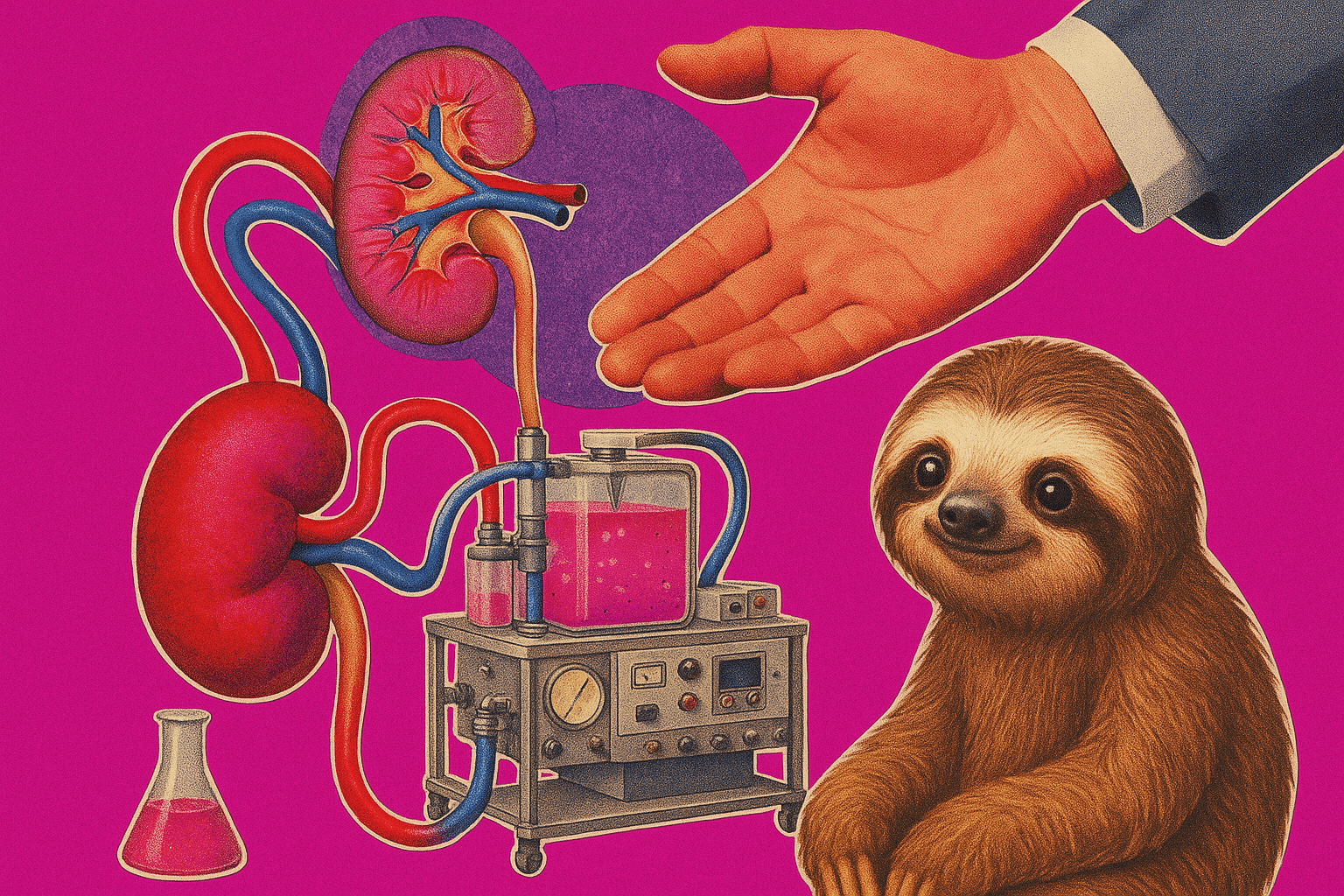
Normally, after a person donates a kidney, doctors keep it cold to slow down any damage until it can be transplanted. But cold storage can hurt the kidney cells and doesn't let doctors see how well the kidney works. NMP is different. It keeps the kidney warm and pumps a special solution (sometimes with blood) through it, like your heart does in your body. This helps the kidney "wake up" and start working, even outside the body. Doctors can watch how well the kidney makes urine and clears waste, which helps them decide if it is healthy enough to transplant.
How does NMP help save more kidneys?
Many kidneys get thrown away because doctors worry they are too old or damaged. With NMP, doctors can test kidneys more carefully before saying no. In Europe and the US, this kind of machine has already helped save more livers for transplant. Now, scientists hope to do the same for kidneys. New devices, like the Kidney Assist and ARK Kidney, are being tested to see if they can make NMP easier and more reliable. There is early evidence that NMP can keep kidneys healthy for longer, reduce injuries that happen from being too cold, and even allow for special treatments or repairs before the transplant.
What are the challenges of using NMP?
NMP is promising, but it is also complicated. Kidneys need a lot of energy and oxygen to work, and keeping them alive outside the body is tricky. Scientists are still figuring out the best recipes for the fluids that flow through the kidney and the best ways to measure if a kidney is healthy. Some devices use blood, but that can be messy and cause other problems. There is also the question of how long a kidney can stay on NMP and still be safe to transplant. More research and bigger clinical trials are needed to know exactly how much NMP helps patients in the real world.
The future of kidney transplantation with NMP
If NMP works as hoped, we could see a world where fewer kidneys are wasted and waiting times for transplants get shorter. Doctors might even be able to treat donated kidneys with special medicines or gene editing before they are transplanted, making them work better for longer. This idea ties in with what some scientists are doing in other areas, like using health AI to find new ways to treat immune diseases or track how viruses enter human cells. For example, you can read more about how scientists are exploring new approaches to immune system problems in this Slothwise article on engineered immune cells, or learn how viruses sneak into cells in another Slothwise article about viral entry. These advances all show how health AI and smart science can change medicine for the better.
What it means for patients
For people waiting for a new kidney, NMP could mean a better chance at getting a transplant and living a healthier life. It also could help doctors make safer choices and reduce the stress of rushing to find a matching kidney. While there are still hurdles to overcome, the science is moving quickly. With continued research and teamwork between doctors, engineers, and health AI experts, normothermic machine perfusion may soon help more people get the kidneys they need. It is an exciting step forward in organ transplantation, bringing hope to thousands of families.

Cool Health Tech
Apr 10, 2026
Buoy Health vs Slothwise: Which AI Health App Is Right for You?
Buoy Health was one of the original AI symptom checkers, born at Harvard and backed by Cigna, Humana, and Optum. It raised $87 million. Here is how it compares to Slothwise in 2026.
Cool Health Tech
Apr 10, 2026
Ada Health vs Slothwise: Which AI Health App Is Right for You?
Ada Health is the most accurate AI symptom checker, validated in a peer-reviewed BMJ Open study. Slothwise connects to your actual medical records and monitors your health continuously. They solve different problems.
Cool Health Tech
Apr 10, 2026
K Health vs Slothwise: Which AI Health App Is Right for You?
K Health raised over $400 million and shut down its consumer app in December 2025. Slothwise is independently built, listed on Medicare.gov, and still here. Here is how the two compare.